
Holly Crawley, Pharm.D., BCPS, BCCCP
Director of Clinical Services

For primary care practices
Torch brings pharmacist-led outreach, medication review, and follow-through into your practice’s care plan.
Request a practice consultationSee an example of the work See what ten medications ask of one patient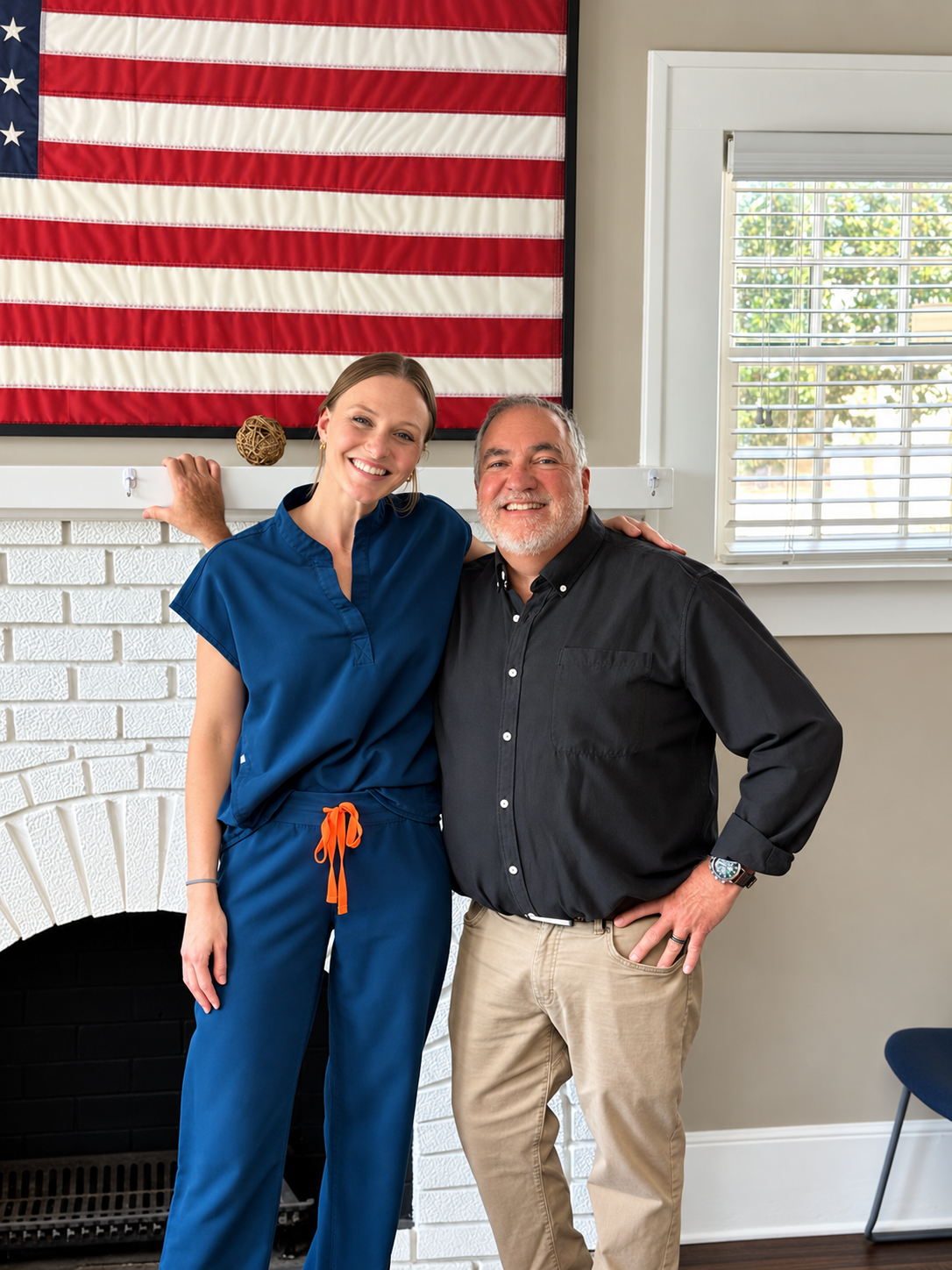
Clear responsibilities make the partnership work. Together, we agree on the people, systems, and communication your practice needs.
 Torch handles
Your team receives relevant findings and recommendations. You decide on treatment. We help communicate the plan and follow up with the patient.
The work, made visible
A useful handoff tells your team what came up, why it matters, and what needs a decision.
During a routine outreach call, a patient reports trouble keeping track of a recently changed medication schedule.
Getting started
Your patient population, clinical priorities, and current care process lead the conversation.
Agree on enrollment, documentation, access, billing responsibilities, and communication.
Introduce the team, explain the program to eligible patients, and review the work together.
Care built around the practice
We discuss your patient population, existing workflows, and program requirements before deciding what fits. Availability depends on the practice and care arrangement.
Regular support for people managing several ongoing conditions, with medication review and a care plan that follows your doctor’s recommendations.
Explore CCMHome readings that help your care team understand what is happening between appointments, using a connected device selected for your needs.
Explore RPMOngoing coordination through your primary care practice, connecting medications, specialists, follow-up needs, and your personal care plan.
Explore APCMSupport for behavioral health concerns, such as depression or anxiety, alongside the rest of your care through a participating practice.
Explore BHIFocused care coordination when one serious, complex condition needs close attention, through a participating practice.
Explore PCMA dedicated visit to review health risks and build or update a personal prevention plan. This is different from an annual physical.
Explore AWVHelp making sense of medications, discharge instructions, and follow-up appointments after a qualifying hospital or facility stay.
Explore TCMBefore we work together
The details should make sense to both your clinicians and the people running the office.
Talk through your practice’s questionsWe start with your existing charting and communication workflow. Before launch, we agree on access, where documentation belongs, how messages reach your team, and what the care-management process needs from your EHR.
Your practice bills under its providers. Torch prepares documentation and claim-support materials for your billing team to review and submit. The practice agreement defines the responsibilities on each side.
There is no upfront practice fee. Torch is compensated through the care-management revenue arrangement. The written agreement sets the payment terms and explains how billing, collections, and the practice’s share are handled before either side commits.
We discuss your patient population, workflow, staffing, and program fit. Then we agree on access, enrollment, documentation, points of contact, and a start date your team can support. The timeline depends on those requirements.
We establish the required agreements and access permissions before patient work begins. Secure documentation, appropriate access, and the handling of patient information are part of the setup with each practice.
Participation is voluntary. We explain the care and expected costs before enrollment. If someone declines or asks to stop, we document the preference and follow the applicable consent process with the practice.
You work with Torch’s Alabama-based clinical and operations team. The first conversation covers your patients, current workflow, and the questions that matter to your practice.
Meet Torch
Pharmacists. Care coordinators. An Alabama team that believes the conversation after an appointment deserves care, too.
Meet the whole teamDirector of Clinical Services

Patient Care Coordinator

Community Pharmacist Liaison
A conversation is a good place to start.